Spotlight — Experiences, Showcases & Recognition
A curated showcase of creative experiences, industry interactions, exhibitions, recognitions, and collaborative learning moments across the CODE EDU ecosystem.



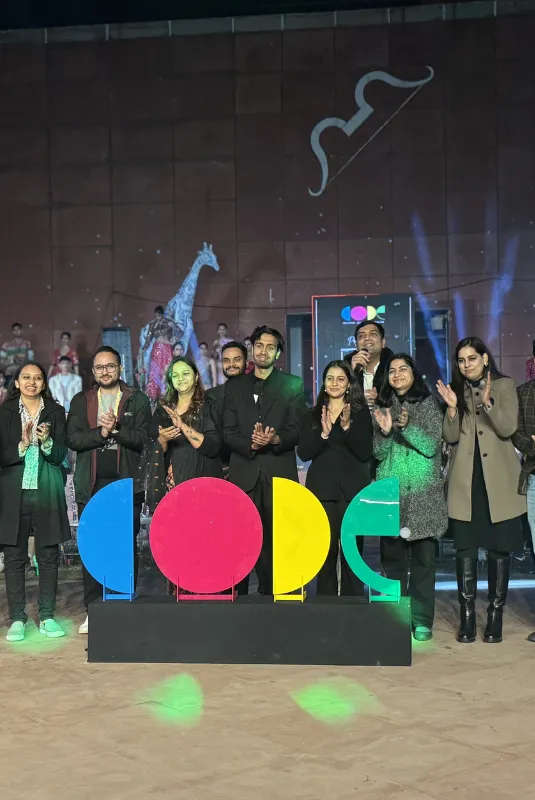
enCODE 2026 | Jawahar Kala Kendra
Code Edu is driven by a system of personalised learning pathways that adapt to how individuals learn, perform, and progress over time. As an AI learning platform, it analyses user behaviour, interests, and performance to deliver AI-driven course recommendations. Learners are not required to navigate static course lists. The system continuously suggests relevant learning experiences based on their direction and development.
Each journey is shaped through domain and skill mapping, helping learners understand what to learn, why it matters, and how it connects to real-world roles. Adaptive assessments focus on application and evolving learning patterns rather than standard testing alone. The system also includes a structured portfolio builder for documenting and showcasing work, while a career matchmaking layer connects skills, outputs, and domain expertise with relevant professional opportunities.
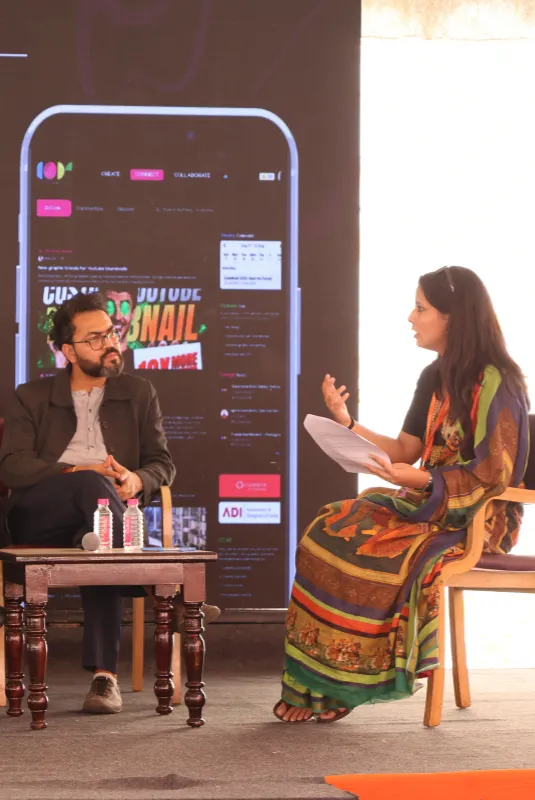
enCODE Season 2024–25 | World Trade Park
enCODE Season 2024–25 transformed World Trade Park into a public-facing creative showcase. Students, designers, institutions, and emerging creators presented fashion showcases, installations, portfolio exhibitions, and collaborative experiences within a live commercial environment rather than a conventional academic setting.
The event brought together multidisciplinary participation across fashion, visual communication, graphic design course explorations, and evolving creative domains connected to design, culture, and public storytelling.
Portfolio displays and experiential workshops encouraged direct interaction with audiences, mentors, and professionals. Learners presented concepts publicly, discussed processes, and participated in experiential learning environments shaped around collaboration, visibility, and applied creative skills.
The event also reflected CODE EDU’s larger focus on multidisciplinary learning, industry-ready skills, and industry engagement through public participation, collaborative practice, and real-world creative exposure.

.webp)
FORHEX Fair 2025
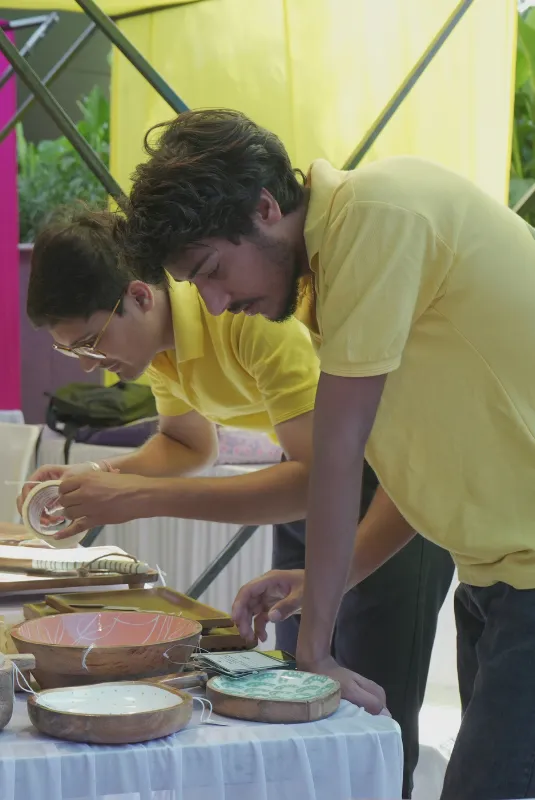
At the FORHEX Fair, CODE EDU participated in a collaborative platform connecting students, institutions, industries, creators, and innovators through immersive experiences rooted in design, creativity, innovation, and industry engagement.
The event featured industry-led discussions, expert talks, graffiti workshops, innovation displays, visual merchandising showcases, student competitions, and portfolio exhibitions across multiple creative domains. More than 20 institutions participated through collaborative showcases, interdisciplinary interactions, and public-facing creative experiences.
FORHEX highlighted the intersection of innovation, manufacturing, creativity, and practical industry applications. The experience encouraged problem solving, collaborative participation, and experiential learning while strengthening industry-academia interaction, industry-ready skills, and multidisciplinary creative exposure.
DIDAC India 2025
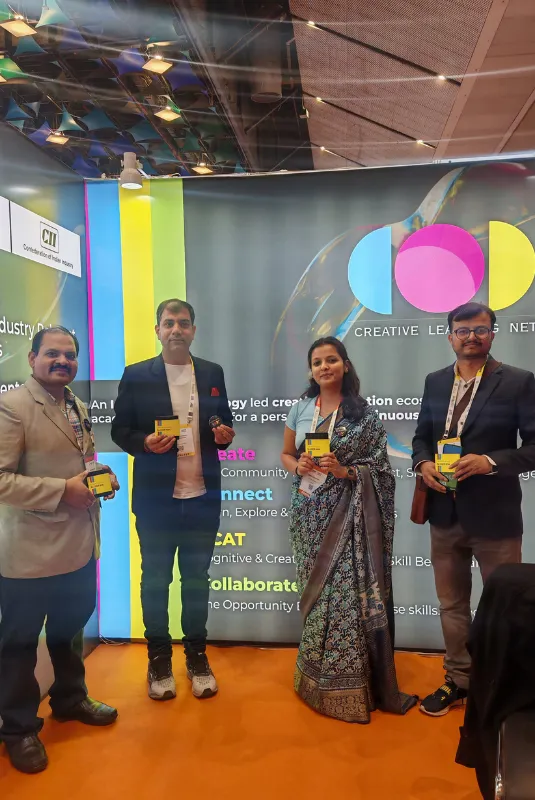
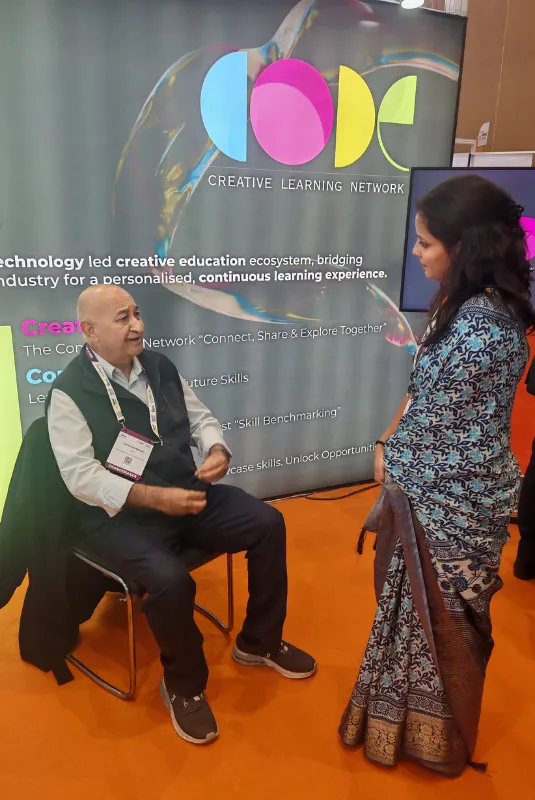
At DIDAC India 2025, CODE EDU participated in conversations around education innovation, learning technologies, research, and industry-academia integration. As one of Asia’s largest education events, DIDAC created opportunities to engage directly with educators, institutions, technology providers, mentors, and industry leaders shaping the future of learning.
During the event, the team connected with 50+ mentors and experts, interacted with 100+ industry representatives, and engaged with more than 600 visitors at the CODE EDU booth. Discussions with organizations including Samsung, IBM, Godrej Interio, universities, and Apple ecosystem partners opened pathways for future collaborations, masterclasses, industry visits, and curriculum partnerships across evolving creative domains.
The experience reinforced CODE EDU’s vision of moving education beyond passive systems toward collaborative, industry-connected, and experiential learning environments. It also strengthened visibility, institutional networking, and the importance of industry-ready skills within rapidly evolving education ecosystems.
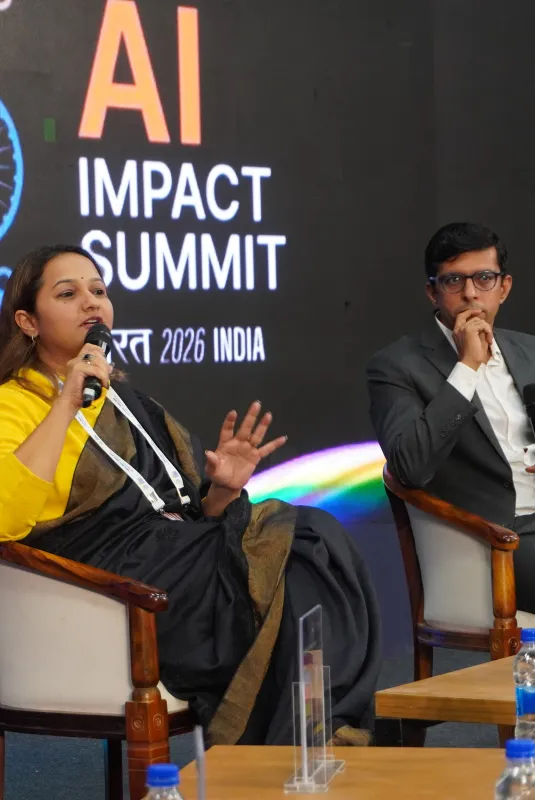
India AI Impact Summit 2026
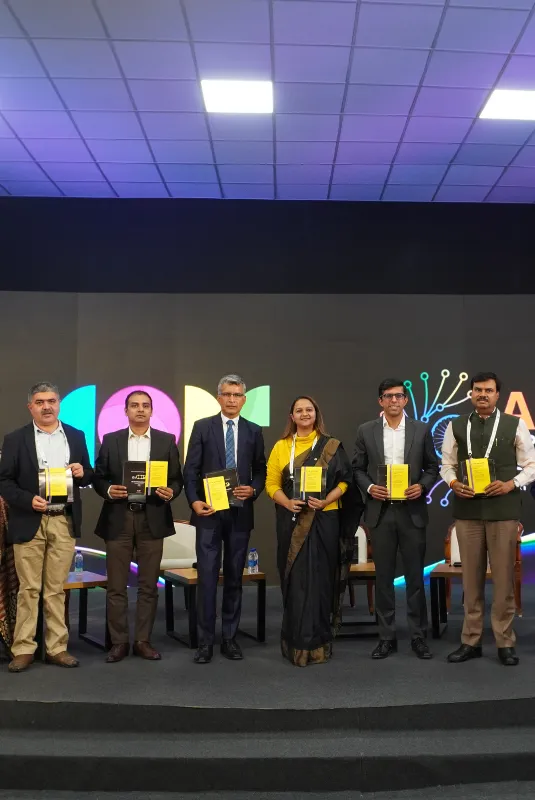
At the India AI Impact Summit 2026, CODE EDU participated in discussions exploring the relationship between artificial intelligence, creativity, culture, and human-centered innovation. The summit brought together educators, policymakers, innovators, researchers, and technology leaders to examine how AI is reshaping creative industries and learning ecosystems.
The conversations focused on the growing importance of design thinking, cultural awareness, interdisciplinary learning, and cognitive thinking within AI-driven futures. CODE EDU shared its perspective on building learning environments where technology supports creativity, collaboration, and human imagination rather than replacing them.
The summit reinforced the need for AI education, applied learning ecosystems, and multidisciplinary participation across evolving creative and technology-driven industries.
CII Global Design Summit 2025
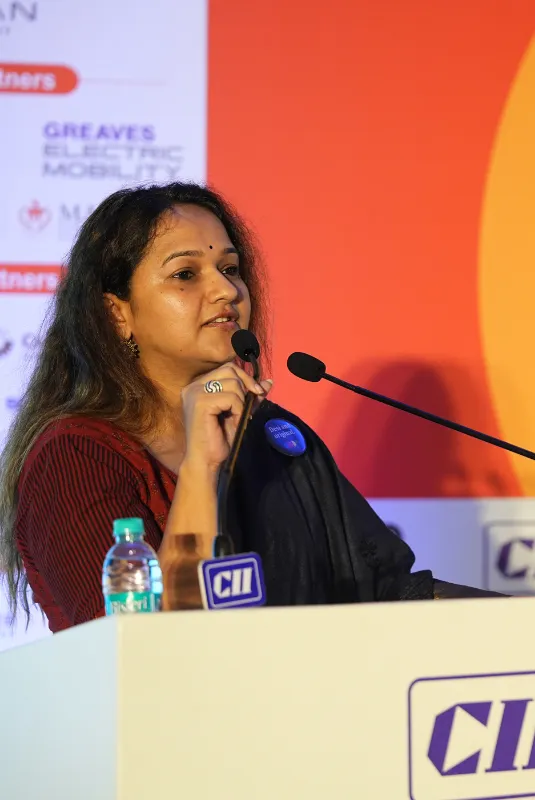
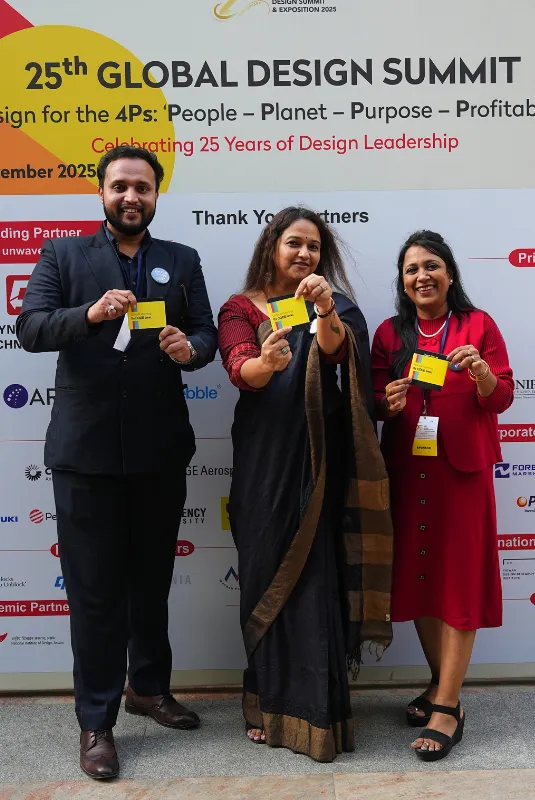
At the CII Global Design Summit 2025, CODE EDU participated in discussions exploring the role of design across business, innovation, education, sustainability, and emerging industry ecosystems. The summit brought together leaders from design, policy, research, and enterprise to examine how design thinking increasingly influences systems, experiences, and future economies.
The event created opportunities to engage with professionals, institutions, innovators, and industry experts working across multidisciplinary sectors connected to creativity, technology, and strategic innovation. Conversations focused on user-centric systems, sustainable thinking, interdisciplinary collaboration, and the growing importance of design-led approaches across evolving industries.
The summit strongly aligned with CODE EDU’s focus on multidisciplinary learning, applied creativity, and industry-connected education ecosystems. It also reinforced the importance of creative skills, collaborative thinking, and practical exposure across contemporary design and innovation practices.